

Welcome!
Hello my name is Phil Preneur, and I have a highly successful coach business. That success would not have been possible without coaching wonderful people I greatly care about in a niche that is close to my heart.
You are about to discover how to choose a coaching niche that supports your success and makes serving others a great pleasure.
Advisors and guides have long weaned beginners on how to choose a coaching niche based on finding a need and supplying that market. As if you are looking to manufacture a product. Trying to fit yourself into a ‘market need’ often results in a coaching niche mismatch. While demand is a factor, this is backwards.
How to choose a coaching niche begins with self-exploration not market exploration. And the odds are you already no doubt possess the attributes and skills in a certain niche to make a great coach.
So, to “Wake Up the Coach in You”, my first questions are:
Those questions start you out on the right path to becoming a coach. A meaningful coaching business begins with an inventory of your coach value.

Many new coaches overlook their strongest assets completely. Your familiarity with yourself often makes your personal significance hard to uncover. This is often best explored with a successful coach that has a passionate interest in helping you.
I frequently work with people who want to be coaches to help them discover themselves. What I mean is the knowledge or skills that feel natural to you, that you might be overlooking, could transform another person’s life.
For example, Sadie spent fifteen years managing restaurant employees. When I first asked about her skills she saw her greatest skill as organizational as she scheduled workers and kept the books. After meeting with her I uncovered that in dealing with the employees and customers she had demonstrated tremendous conflict resolution ability. She did not realize this was a coaching value.
Daily pressure had forced Sadie to communicate calmly during stressful situations. Team members regularly sought her advice during emotional workplace conflicts. She told me stories of how she calmed irate customers and turned them into repeat business. I explained to her how the leadership coaching niche might be a natural fit for her.
Another example is Ben, a family man rebuilding financial stability after bankruptcy. As I explored his past with him, we realized that during that difficult period, he learned discipline, emotional resilience, and budgeting skills. He told me how friends later began asking for guidance managing financial stress and uncertainty. I explained to him that experience could align naturally with mindset or the accountability coaching niche. Real struggle often creates practical wisdom and emotional understanding.
Many people underestimate their life experiences completely. Social media encourages unhealthy comparison and self-doubt constantly. You see polished brands and dramatic success stories everywhere. Then you wrongly assume your own background lacks importance. You are not alone. That belief prevents many future coaches from starting.
Most successful coaches did not begin with celebrity status. Many began with painful lessons and practical experience. Others began with emotional resilience and communication ability. Some developed wisdom through failure and personal hardship. Real experience often creates powerful coaching insight.
Your struggles may contain hidden coaching value already. Your growth may help somebody avoid unnecessary suffering later. Your emotional resilience could inspire discouraged people. Your personal breakthroughs could guide confused people toward clarity. Your experiences and how you overcame obstacles often matter far more than you realize.
Consider Heather, who overcome severe social anxiety during early adulthood. Years of fear and self-doubt made her seek out the knowledge and courage that eventually lead to confidence and emotional growth.
Now Heather encourages others facing similar struggles. Her confidence coaching niche emerged from genuine emotional understanding and personal transformation. People trust people who truly understand similar painful emotional experiences firsthand.
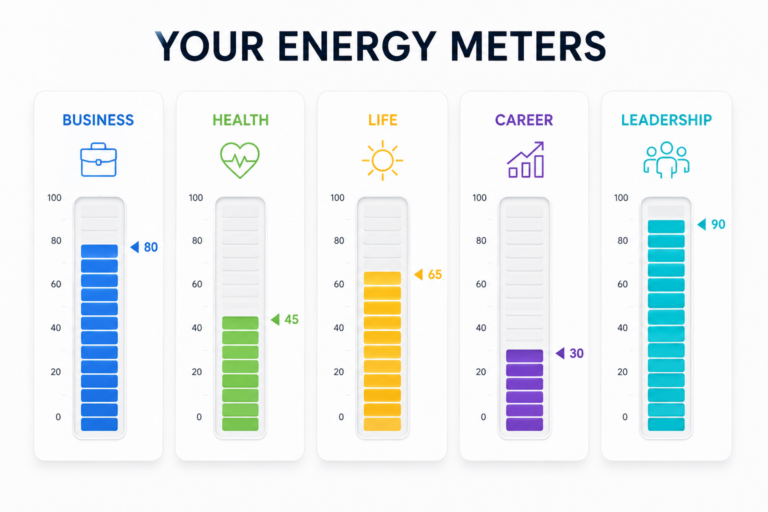
One powerful exercise to help you find your coaching niche is becoming aware of your emotional energy. Pay attention to how you feel during and after conversations.
Which topics and conversations energize you and what subjects drain your energy?
What energizes your thinking naturally and captures your curiosity is often what will drive a successful coaching niche. Look for situations where you encourage others or help them solve challenges. Emotional energy often reveals purpose and direction.
Recently attended a networking event with several business owners present. I observed a young man that was intensely involved in a conversation about leadership and employee motivation. Forty minutes later he was still on the same topic. I later asked him if he was a coach or ever considered coaching.
“I would like to be a coach,” he responded. “I just have no idea what I bring to the table.”
I am happy to announce he is now a Corporate Leadership Coach.
Some people naturally enjoy helping discouraged business owners regain confidence. Others love helping overwhelmed people create structure and organization. Some feel emotionally connected to communication and relationship improvement. Others enjoy helping people rebuild health and emotional resilience. Your strongest interests that give you energy deserve your consideration on your quest of how to choose coaching niche.

Psychologists studying motivation discovered something important about meaningful work. People maintain stronger commitment when they feel a purpose and a contribution in their work. Money alone rarely sustains emotional energy for long periods. Purpose creates emotional endurance during difficult business times. Coaching requires emotional investment and consistent human connection.
Imagine building a business a coaching niche focused entirely on profitability without emotional connection. Your daily coaching calls would soon become emotionally exhausting and repetitive. You would not last. How do I know? I have seen this time and again.
People that chase a coaching niche for the dollars and not for a passion, hardly ever stay in business. Motivation eventually declines because genuine interest never existed strongly. This is not how to choose a coaching niche.
Compare that situation against somebody deeply passionate about helping struggling entrepreneurs succeed. Emotional connection creates stronger energy, consistency, and long-term commitment.
Also, clients will quickly sense a lack of genuine concern and emotional authenticity. Human beings naturally detect emotional congruence during important conversations. Your words carry greater weight when emotional alignment exists. Authenticity builds trust faster than rehearsed marketing language ever could. Trust creates the foundation for successful coaching relationships.
Imagine speaking with two different coaches during discovery calls. The first coach sounds polished but emotionally disconnected during the conversation. The second coach communicates genuine curiosity and emotional investment naturally. Most people feel drawn toward authentic emotional connection rather than scripted perfection. Human trust depends heavily upon emotional sincerity and relatability.
Another valuable exercise to flesh out your abilities and purpose for a coaching niche involves identifying recurring life themes carefully. People develop repeating patterns across different life seasons. Certain strengths appear repeatedly throughout relationships and professional experiences. Certain frustrations also appear consistently throughout your background. Those recurring themes often reveal coaching your direction.
Maybe leadership appears throughout your entire professional history repeatedly or maybe teaching naturally follows you into many different environments. Perhaps encouragement and emotional support define your relationships consistently. Organization and accountability may feel deeply natural to your personality. Those patterns deserve serious attention and reflection.
For example, imagine reviewing your previous jobs over ten years carefully. During nearly every position, coworkers relied upon your organizational ability and problem-solving skills. Managers regularly asked you to train new employees and improve inefficient systems. Friends often describe you as dependable, structured, and calm under pressure. Productivity coaching or operations coaching may align naturally with those recurring patterns.
Consider Your Cross Abilites for How to Choose a Coaching Niche
A coaching niche choice rarely develops from one ability. Meaningful coaching alignment usually develops through overlapping personal patterns. Your future coaching niche may exist between several connected strengths already. Your experiences, values, communication style, and emotional connection all matter. That combination creates authenticity and long-term alignment.
For example, somebody with sales experience, communication ability, and confidence struggles may align naturally with sales confidence coaching. Another person may combine emotional resilience, listening skills, and relationship experience into relationship coaching. Somebody else may combine business ownership, leadership skills, and operational strengths into executive coaching. Strong niches usually emerge through overlapping experiences and strengths.
Why Learning How to Choose a Coaching Niche is So Important
Many new coaches choose a coaching niche by chasing trends without emotional connection or personal alignment. Others follow profitable markets despite lacking genuine interest completely. That approach often creates emotional exhaustion and long-term dissatisfaction later. Meaningful alignment creates stronger consistency and emotional endurance in the coach business.
Imagine choosing health coaching because online influencers claim massive financial opportunity exists there. However, nutrition, exercise, and wellness conversations fail to excite your curiosity emotionally. Daily content creation begins feeling forced and emotionally draining quickly. Compare that situation against somebody genuinely fascinated by human health and wellness improvement. Emotional alignment dramatically changes motivation and consistency.
Your personality should influence your coaching direction carefully. Analytical personalities often enjoy strategy and business-oriented coaching environments naturally. Empathetic personalities frequently thrive within wellness and relationship coaching categories. Direct personalities often excel within accountability and leadership coaching situations. Encouraging personalities usually enjoy confidence and transformation-focused coaching deeply. Results oriented people can work in a variety of coaching capacities.
For example, a highly analytical former engineer may naturally thrive in a coaching niche that improves systems and operational efficiency. Meanwhile, an emotionally intuitive former counselor may feel deeply connected toward emotional healing and relationship coaching. Personality alignment strengthens authenticity during conversations and coaching sessions. Human beings usually communicate best through natural personality strengths.
Your communication style is another important coaching niche factor. Human beings respond differently to various coaching personalities and approaches. Some clients prefer structure, clarity, and direct accountability during coaching sessions. Others need encouragement, emotional support, and patient communication consistently. Your natural style helps attract aligned coaching clients.
Imagine two fitness coaches helping different personality types successfully. One coach communicates through direct accountability and measurable goals consistently. Another coach emphasizes encouragement, emotional support, and gradual progress patiently. Both approaches may produce excellent outcomes but for different client personalities. Your natural communication style influences ideal client compatibility and overall client success.
Painful experiences also deserve thoughtful examination and honest reflection. Human beings trust people who genuinely understand difficult personal struggles firsthand. A person rebuilding confidence speaks differently than theoretical experts usually speak. Real emotional experience creates authenticity impossible to manufacture artificially later. Your pain may contain purpose and future guidance.
For example, imagine somebody overcoming addiction after many difficult years. Recovery required discipline, emotional honesty, accountability, and tremendous personal growth. Years later, that person may naturally inspire hope within others facing addiction recovery struggles. Coaching rooted within authentic experience often creates deep emotional credibility and trust. Human beings connect strongly with authentic transformation stories.
That reality does not mean suffering automatically creates coaching qualification alone. Emotional maturity and ethical responsibility still matter enormously within coaching relationships. Self-awareness and communication ability remain extremely important for successful coaching outcomes. However, meaningful life experience often creates deep emotional understanding and wisdom. Practical experience frequently strengthens coaching credibility and trust.
As you explore each coaching niche, ask yourself several important questions:
Also ask yourself what type of people naturally pull empathy from your personality. Some people feel emotionally connected toward entrepreneurs struggling financially or emotionally. Others feel drawn toward helping discouraged parents regain confidence and direction. Some feel strongly connected toward helping professionals overcome fear and self-doubt. Emotional connection often reveals ideal coaching audiences naturally.
A meaningful coach business rarely begins through clever branding or slogans. Meaningful coaching businesses usually begin through honest personal self-discovery first. Your experiences already contain valuable lessons and emotional understanding today. Your strengths already contain potential coaching value and human contribution. Your responsibility involves recognizing and organizing those gifts carefully to make the best decision for how to choose a coaching niche.