
Phil Preneur
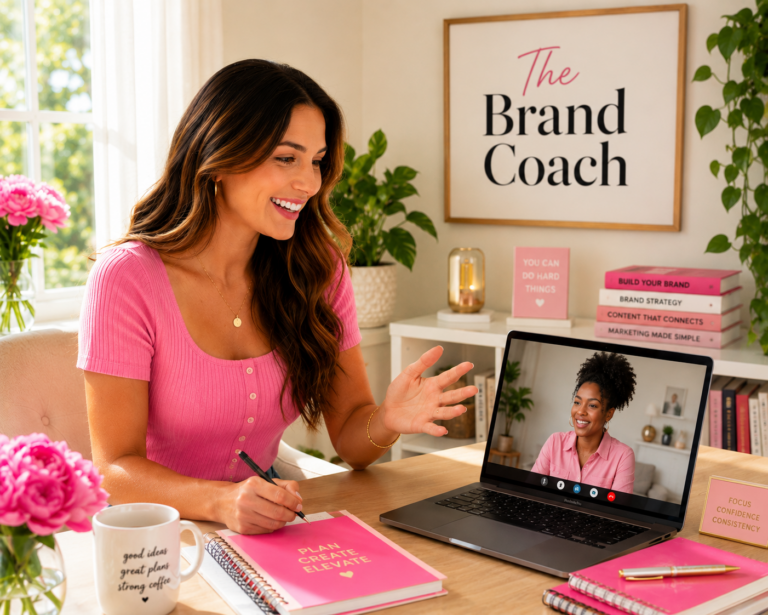
“A coach will impact more people in one year than most will in a lifetime” – Billy Graham
Only about one third of all coaches make a living at coaching. The majority of new coaches quit altogether by the second year. This is not because they are all bad coaches, but because they struggle with visibility and maintaining a steady flow of new coaching prospects. What a shame! Most would still be in business if they had a positioned brand strategy.
Most coaching brands could be much better. A coaching brand must communicate expertise quickly.
Common mistales include:
Many coaches have come to me seeking to grow their businesses. Some are new coaches just starting that need to know how to how to create a coach brand. Others are seasoned experts and need a brand refresh or new direction. I commend them all for pursuing expertise and an outside perspective.
A brand is coaching business DNA and is comprehensive. The number one mistake coaches make is not knowing what a brand is and how a brand affects all aspects of the coaching business.
I have helped numerous coaches with how to create a coach brand propelling them from obscurity to being recognized on the world stage.
As a coach, you know what you offer, however you are the product and you are operating from a disadvantage in creating your brand. We all have blind spots when we are looking from the inside out. The old adage “can’t see the forest for the trees” when you are in the forest definitely applies here.
In branding and marketing, you must overcome prospect skepticism. As a coach your ethics, sincerity, and desire to serve are indelible in your coach DNA. Most coaches cannot see beyond themselves to accurately address the doubt from prospects to create a ‘positioned’ brand and marketing strategy. They often fall short of gaining prospect confidence in their brand let alone inciting instant high regard.
In addition to conveying expertise and trust, your prospects need to quickly understand your specialty. A strong brand positioning strategy helps your audience recognize a clear message of your distinct coaching identity and what you can do for them.
Learning how to create a coach brand is more than a logo or social media profile. Strong branding combines audience clarity, positioning, communication style, visual consistency, and proof of expertise. According to research from Edelman Trust Barometer, trust impression strongly influences buying decisions across professional services markets. Source: Edelman Trust Barometer, https://www.edelman.com/trust

Coach training has commonly weaned coaches on developing a brand based on:
Read that list again!
Doesn’t that list sound technical and tactical? Just downright cold.
I’m not saying those things are not important.
But you are a coach helping people… and those items are surface level tools.
As a coach I want people to know ME.
Now that’s the BRAND I want.
I also consider those characteristics and behaviors for how to create a coach brand. And I create and post my Coach Code of Honor.

Who, what, when, where, why and how should your brand be positioning?
Your brand ought to position:
I ‘go over the top’ with positioning. I help clients become *Coach Stars* in their area of coaching.

Many coaches attempt to reach everyone. This is tempting when you are strating your business. You need clients. However messaging that is too broad can produce poor results.
Focus on:
Research the market size of any or each focus. Estimate how many prospects exist in that focus market.
Also focused messaging presentes an opportunity to create stronger emotional connections.
Consider these examples:
Each example creates a clear mental picture. Clear audience definition improves website messaging, content strategy, advertising, and referrals.
Research from HubSpot shows targeted marketing improves conversion performance compared with generalized messaging. Source: HubSpot State of Marketing Report, https://www.hubspot.com/state-of-marketing
Many coaches attempt to reach everyone. This is tempting when you are strating your business. You need clients. However messaging that is too broad can produce poor results.
Focus on:
Research the market size of any or each focus. Estimate how many prospects exist in that focus market.
Also focused messaging presentes an opportunity to create stronger emotional connections.
Consider these examples:
Each example creates a clear mental picture. Clear audience definition improves website messaging, content strategy, advertising, and referrals.
Research from HubSpot shows targeted marketing improves conversion performance compared with generalized messaging. Source: HubSpot State of Marketing Report, https://www.hubspot.com/state-of-marketing

Many coaches attempt to reach everyone. This is tempting when you are strating your business. You need clients. However messaging that is too broad can produce poor results.
Focus on:
Research the market size of any or each focus. Estimate how many prospects exist in that focus market.
Also focused messaging presents an opportunity to create stronger emotional connections.
Consider these examples:
Each example creates a clear mental picture. Clear audience definition improves website messaging, content strategy, advertising, and referrals.
Research from HubSpot shows targeted marketing improves conversion performance compared with generalized messaging. Source: HubSpot State of Marketing Report, https://www.hubspot.com/state-of-marketing

Coaching involves personal guidance and emotional vulnerability. Prospects need to trust you. All your marketing and activity needs to promotes and instill trust with consistent personality and messaging. .
This include:
According to BrightLocal consumer research, many buyers trust online reviews similarly to personal recommendations. Source: BrightLocal Local Consumer Review Survey, https://www.brightlocal.com/research/local-consumer-review-survey/
Your coaching brand should communicate reliability, consistency, professionalism, and expertise.
Your coaching specialty forms the foundation of strong positioning. Begin by identifying three areas:
For example, a sales coach with twenty years of B2B experience possesses stronger authority around enterprise sales strategy than in consumer sales advisory. Practical experience matters. Prospects often prefer coaches with firsthand experience because real world application builds credibility.
According to a PwC consumer trust survey, buyers strongly value expertise and transparency during purchasing decisions. Source: PwC Trust in Business Survey, https://www.pwc.com

Strong coach branding requires deep audience understanding. Audience research should include:
For example, startup founders might worry about funding, hiring, and growth pressure. Executive leaders may worry about communication, burnout, and organizational politics. People seeking a relationship coach might be wanting to regain old feelings.
Knowing how to create a coach brand includes knowing your target audience and how to become relevant and connect emotionally with them.
Look for Patterns
A useful exercise involves reviewing client conversations from previous coaching sessions. Look for their repeated phrases, repeated frustrations, and repeated goals. Those patterns often reveal strong branding language.
A clear brand coaching message answers several questions quickly:
Weak example:
“I help people achieve success.”
Strong example:
“I help insurance agency owners improve sales conversions through improving language and communication and learning buyer psychology.”
Specific language creates stronger clarity. Clear language also improves SEO performance because search engines better understand topic relevance.
Google Search Central recommends creating content focused on audience value and topic clarity. Source: Google Search Central Documentation, https://developers.google.com/search
A strong coach brand needs a recognizable communication style. Some coaches communicate through analytical teaching. Others communicate through encouragement, storytelling, accountability, or strategic problem solving.
A wise senior coach often communicates with calm confidence, practical examples, balanced guidance, and thoughtful questions.
Voice consistency matters across:
Consistent communication strengthens familiarity and recognition.
Colors and Typography
Visual presentation shapes first impressions. According to Stanford Web Credibility Research, visual design strongly influences credibility judgments. Source: Stanford Persuasive Technology Lab, https://credibility.stanford.edu
Professional coaching brands usually benefit from:
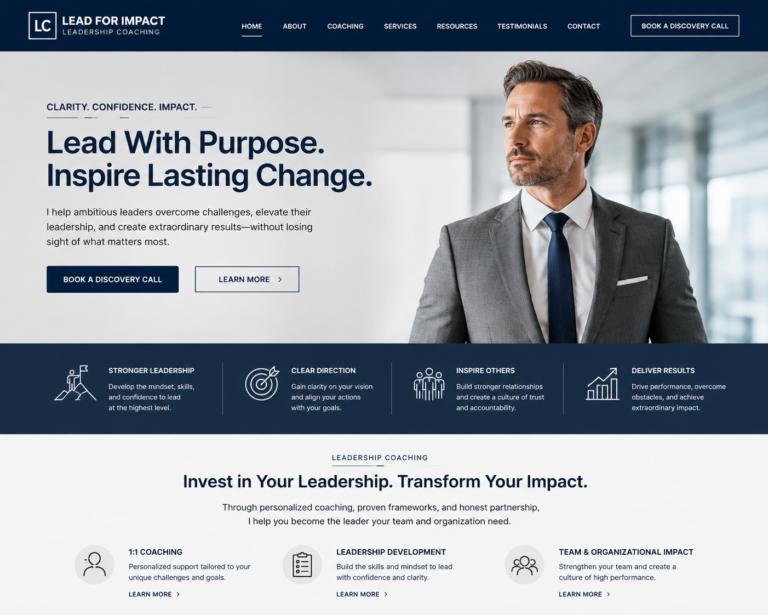
For example, leadership coaching businesses often use navy, charcoal, white, or forest green because those colors communicate stability and professionalism.
Your Website
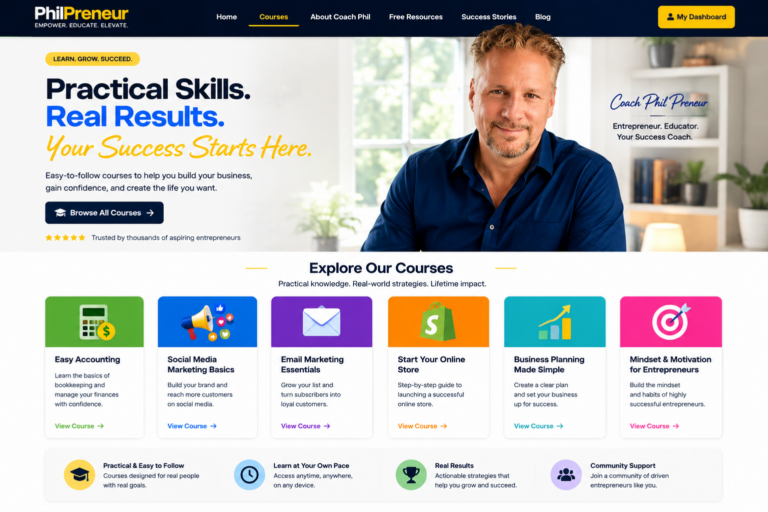
Your website should clearly communicate:
Many coaching websites hide important information beneath vague slogans. Clear messaging performs better.
A strong landing page includes:
Social media branding should match website branding through tone, visuals, and message consistency.
Blogging and SEO
Educational blogging supports authority and search visibility. Coaches who regularly publish useful articles often attract organic search traffic over time.
Learning how to create a coach brand also requires understanding educational marketing. Helpful content demonstrates expertise before a sales conversation begins.
Examples of strong coaching content include:
According to Content Marketing Institute research, educational content supports trust and lead generation across professional service industries. Source: Content Marketing Institute, https://contentmarketinginstitute.com
Your coach gets recognition and builds trust when potential clients can see real success stories. Many coaches struggle with how to create a copach brand by writing anonymous client stories that sound natural and engaging. A good case study shows a clear problem, a believable journey, and a measurable result. Readers connect with stories because stories feel human and relatable.
According to HubSpot, strong case studies help readers understand a process, challenge, and result through a structured narrative. Google also recommends people first content built around real experience and useful guidance.
Case studies support your coach brand through proof and emotional connection. Coaching clients often search for reassurance before scheduling a consultation. Anonymous success stories reduce uncertainty.
A strong example could involve a leadership coach helping a business owner improve team communication. Another example could feature a wellness coach helping a client create healthier routines after burnout.
Readers want three answers:
Clear answers help your audience imagine similar success.
Many coaches overcomplicate story structure. A simple framework usually works best. Even when getting assistance from AI:
Start With the Client Problem
Begin with a relatable struggle and write about the client’s emotions, obstacles, or frustrations.
Example:
“A small business owner felt overwhelmed during rapid company growth. Team confusion created missed deadlines and employee tension.”
Avoid revealing private information. Replace names with descriptions such as:
Privacy builds trust within your coach brand.
Explain the Coaching Process
Next, explain your coaching approach clearly.
Describe:
Keep language simple. Readers should understand your process quickly.
Example:
“The coach guided weekly planning sessions and daily reflection exercises. Each session focused on communication clarity and delegation.”
Share the Outcome
Results create credibility. Use measurable improvements whenever possible.
Examples include:
Balanced language sounds more believable than exaggerated promises.
Example:
“After three months, employee turnover dropped and project completion improved.”
According to Google Search Central, useful content performs better when creators share firsthand experience and practical guidance.
A memorable coach brand usually sounds authentic rather than polished beyond recognition.
Strong coaching stories include:
A reader should feel progress throughout the story.
Many successful coaches also write conversationally. Short sentences improve readability. Simple wording improves understanding across all generations.
Many weak stories share similar problems.
Avoid:
According to Articulate Marketing, shorter case studies often hold attention more effectively than lengthy promotional copy.

Video creates familiarity faster than text alone. Podcast interviews also help audiences hear communication style, teaching ability, and personality.
For example, executive coaches often appear on leadership podcasts to discuss communication, team culture, or decision making.
Repeated media appearances strengthen authority signals.
Client Success Stories
Success stories provide proof. Prospects often trust real examples more than broad promises.
Strong case studies include:
Balanced language matters. Ethical coaches avoid exaggerated promises or unrealistic guarantees.
Federal Trade Commission guidance recommends truthful advertising and transparent claims. Source: Federal Trade Commission Advertising Guidance, https://www.ftc.gov
Focus on One Core Promise
Many successful coaches build branding around one clear transformation.
Examples include:
One memorable promise usually performs better than many disconnected promises.
Speak Like Your Audience
Audience language matters greatly. Coaches should mirror client vocabulary naturally.
For example, entrepreneurs may discuss growth, systems, hiring, or cash flow. Corporate leaders may discuss performance, culture, communication, or retention.
Share Stories and Observations
Stories create emotional connection and improve memory.
For example, a leadership coach could describe a manager whose unclear communication caused staff confusion and low morale. After coaching support, stronger communication improved team confidence.
Practical stories help audiences imagine future results. Case studies make great stories. You can keep them anonymous to protect confidentiality.
How to Create a Coach Brand: Actions for Coaches
How to Create a Coach Brand Checklist
Use this checklist during branding development:
How long does coach brand development usually require?
Many brand experts tout that brand development requires several months of consistent messaging, content creation, and audience interaction. I say brand development happens for the life of your brand or as long as you are in business. This includes regularly reevaluating your brand, Brand awareness is also internal.
Should a new coach choose a niche audience?
Many marketing experts recommend niche positioning because focused messaging improves clarity and trust. Specialized coaching often creates stronger differentiation. In choosing a niche do market research to deteremine the size and competition and then evaluate the opportunity.
Why does educational content support coach branding?
Educational content demonstrates your expertise and helps position your brand. Helpful content also improves search visibility and audience trust.
Which social platform works best for coaching brands?
Platform selection depends upon your target audience and focus. LinkedIn often performs well for executive and business coaching. Instagram may support wellness or lifestyle coaching. YouTube supports educational and other types of coaching content through search visibility.
There are hundreds of platforms, yet often you can capitalize on just one or two.
Can personal stories improve coach branding?
Yes. Relevant stories create emotional connection and authenticity when shared professionally and honestly. When you align the narrative with your brand you create consistency and support your positioning.
Learning how to create a coach brand requires clarity, consistency, expertise, and audience understanding. Strong positioning helps coaching businesses earn trust faster and attract stronger clients.
A successful coaching brand communicates expertise clearly, teaches consistently, and demonstrates real world understanding through useful content and proof.
Begin with one specialty, one audience, and one clear message. Strong positioning grows through repetition, consistency, and educational leadership.
Review your current website, social media profiles, and messaging today. Search for confusion, vague language, or weak differentiation. Small improvements often create major long term gains.
Here’s to helping you help others!
– Phil Preneur

Hello Coach or Aspiring Coach!
I love coachng and coaches. As a highly successful entrepreneur and business coach, after seeing so many other coaches struggling, I created Coachversity™ in 2008 to help coaches become Coach Stars!
I can help you attain a steady flow of clients to choose from, have higher conversions, improved client retention, sales performance, better positioning, increase revenue, and live the coaching lifestyle.
Schedule a one hour Coach Star Brand Meeting on my calendar. Your investment is $249.

If either one of us feel we are not a great fit, or for any reason decide not to proceed working together to grow your business, I will immediately refund your full amount paid.