

For your self-assessment of how to be a coach, begin with this question:
How would a client feel after spending an hour with you?
Will they feel calmer, clearer, understood, challenged, and emotionally safe? Or will they fell confusion, pressure, defensiveness, emotional exhaustion, subtle shame, or dependency.
Most new coaches focus almost entirely on strategy before evaluating psychology. Marketing, content, niches, logos, pricing, and offers receive attention while unresolved insecurity, emotional reactivity, poor listening habits, control patterns, ego needs, and conversational immaturity quietly remain untouched beneath the surface.
Eventually those hidden behaviors can cause havoc to any coaching business.
A coaching relationship magnifies psychology as uncertainty, fear, resistance, insecurity, frustration, self-doubt, avoidance, emotional pain, or confusion is revealed. Once emotional pressure enters the interaction, your deeper patterns begin revealing themselves automatically.
That reality explains why some coaches create trust while others create emotional discomfort without recognizing why. Knowledge and technical information alone rarely determines coaching effectiveness. Emotional regulation, conversational awareness, observational accuracy, maturity, and psychological stability usually matter far more than most beginning coaches realize.

One of the most dangerous coaching patterns develops when coaching becomes a source of emotional validation for the coach rather than transformation for another person.
That pattern appears in subtle conversational behaviors over time. A coach may over explain advice because disagreement feels threatening. Another coach may become emotionally dependent on praise, appreciation, or visible progress from clients. Another may quietly resent resistant clients because resistance unconsciously feels like personal rejection.
None of those behaviors begin maliciously. Most originate from insecurity.
Unresolved insecurity often disguises itself as passion, certainty, confidence, urgency, or leadership. Yet beneath those behaviors, emotional self-protection frequently operates silently. Once self-protection enters a coaching conversation, observation quality declines, curiosity decreases, and listening weakens.
Experienced coaches eventually recognize an uncomfortable truth. Coaching conversations often reveal the psychology of the coach just as clearly as the struggles of the client.
For example, imagine somebody questioning your guidance calmly during a session. A psychologically grounded coach may become more curious and exploratory. An insecure coach may begin defending identity instead of exploring truth. Tone changes slightly and patience wears thin. The coach talks more and listens less as emotional protection quietly replaces emotional presence.
Learning how to be a coach requires awareness of those moments because they determine whether a client feels psychologically safe around you.
Many future coaches assume authority comes from knowledge volume.
Great coaching usually depends more on observation quality
than information quantity.
Some coaches answer questions before fully understanding the emotional structure underneath the problem. Others interrupt frequently because silence creates anxiety. Another coach may unconsciously redirect conversations toward personal stories in order to regain psychological control of the interaction.
Those behaviors often appear small. Repeated over months, those patterns quietly shape trust, emotional safety, and client openness.
Conversation dynamics reveal emotional maturity rapidly. You can often identify insecurity, ego attachment, anxiety, impatience, emotional neediness, superiority, approval seeking, or control tendencies simply by observing interruption timing, pacing, question quality, emotional reactions, and silence tolerance.
Experienced coaches frequently understand something that newer coaches miss entirely: The emotional atmosphere inside a conversation often matters more than the actual words being spoken.
Learning how to be a coach who speaks calmly, listens deeply, notices emotional shifts, regulates pressure, and asks emotionally accurate questions usually creates stronger transformation than somebody performing expertise constantly.
The American Psychological Association explains that active listening improves interpersonal understanding and emotional connection.
Yet active listening involves more than waiting politely before speaking. Real listening requires emotional restraint. You cannot observe another person accurately while mentally rehearsing responses, defending identity, or searching for opportunities to sound impressive.

A triggered coach often stops observing and starts protecting identity.
That shift changes the entire interaction.
For example, imagine a client expressing doubt about progress after several weeks. If your identity feels emotionally attached to producing visible results quickly, anxiety may begin influencing your behavior. You may start overselling certainty, increasing pressure, forcing accountability prematurely, or speaking with unnatural intensity.
Another coach may feel deeply triggered by emotional withdrawal. A quiet or distant client may unconsciously activate abandonment fears, rejection sensitivity, or insecurity around approval. Without awareness, the coach may begin chasing emotional reassurance through excessive encouragement, over availability, or people pleasing behavior.
Most emotional triggers operate automatically until awareness interrupts the pattern.
Learning how to be a coach requires recognition of emotional activation in real time. Once emotional activation controls your nervous system, observational accuracy declines rapidly. Assumptions increase. Emotional interpretation becomes distorted. Neutral behavior may suddenly feel disrespectful, resistant, dismissive, or threatening.
According to research discussed by the Harvard Business Review, self-awareness strongly affects leadership effectiveness, emotional regulation, and interpersonal trust. Harvard Business Review on self-awareness
Coaching magnifies those emotional dynamics because coaching relationships frequently involve vulnerability, dependency risk, fear, identity transitions, financial stress, disappointment, and uncertainty.
Helping behavior sometimes masks emotional control.
That statement may sound harsh initially. Yet experienced coaches observe this pattern regularly.
Some coaches rescue instead of coach because rescuing creates emotional importance. Another coach over gives because boundaries create guilt. Another feels responsible for another person’s emotional state and slowly develops emotionally exhausting relationships filled with dependency and blurred boundaries.
Healthy coaching requires emotional separation between caring about somebody and psychologically needing somebody.
That distinction matters enormously.
Once emotional need enters the coaching relationship, objectivity weakens. Conversations may become manipulative without intentional malice. Accountability becomes inconsistent because approval feels more emotionally rewarding than honesty. Difficult truth becomes harder to communicate clearly because conflict now threatens emotional connection.
Strong coaches usually care deeply while still maintaining emotional structure, boundaries, observational clarity, and psychological independence.
That balance takes maturity.
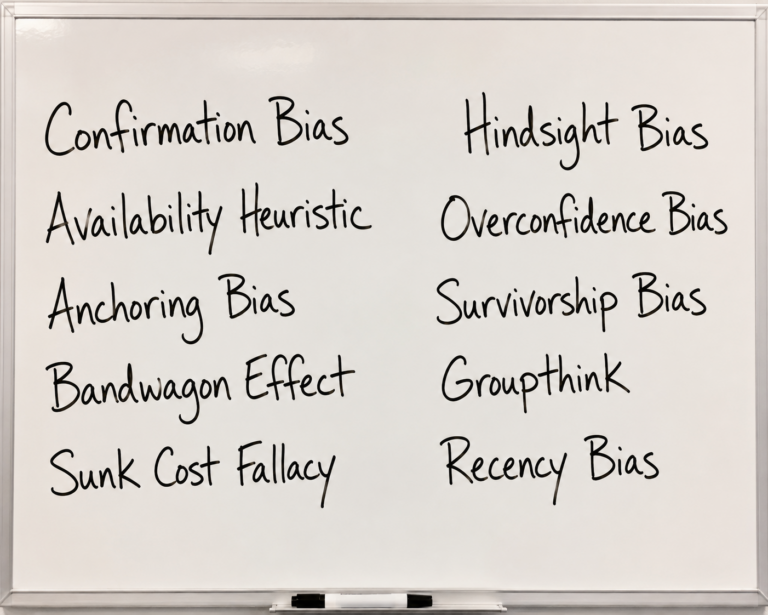
Every coach interprets reality through personal experiences, values, fears, successes, disappointments, upbringing, emotional wounds, and identity structures.
Those filters influence coaching constantly.
For example, a coach who built success through relentless discipline may unconsciously judge emotional exhaustion as weakness. Another coach who escaped financial hardship may interpret caution as fear instead of wisdom. Another may project personal ambitions onto somebody seeking peace, simplicity, or emotional stability rather than achievement.
Projection represents one of the most common coaching distortions.
Projection occurs when you unconsciously assume another person should think, value, prioritize, or emotionally process situations similarly to yourself. Once projection enters coaching conversations, genuine understanding decreases because observation becomes contaminated by personal assumptions.
The National Institutes of Health explains how cognitive biases influence judgment and interpretation.
Strong coaches continuously question personal assumptions instead of blindly trusting emotional certainty.
Emotional certainty does not automatically equal accuracy.
In fact, emotionally reactive certainty often signals psychological attachment rather than wisdom. And wisdom is a great attribute for how to be a coach.
Emotional maturity affects nearly every coaching interaction.
You can usually recognize maturity quickly during disagreement, emotional tension, delayed progress, criticism, uncertainty, or uncomfortable honesty.
Immature coaches often personalize resistance. They feel a threat to their expertise or coaching ability. Emotionally grounded coaches look at such resistance with curiosity. They evaluate the client’s ‘why’ for the resistance in order to better serve them.
Immature coaches frequently need visible appreciation. Emotionally grounded coaches maintain stability without constant reassurance.
Immature coaches may become rigid during disagreement because identity feels threatened. Mature coaches can remain open without collapsing psychologically.
Many future coaches underestimate how emotionally demanding coaching becomes over time. Depending on the type of coach you are, you may hear painful stories repeatedly. You may witness fear, grief, confusion, self-sabotage, dishonesty, relational dysfunction, insecurity, and emotional instability regularly. Without emotional maturity, those conversations slowly begin affecting your nervous system and behavior.
Maturity allows emotional presence without emotional absorption.
That distinction protects both the coach and the person receiving guidance.
Many new coaches accidentally perform coaching instead of practicing coaching.
Performance coaching usually sounds polished. Language may appear confident, motivational, energetic, and persuasive. Yet beneath the performance, observation quality often remains weak.
Strong coaches observe patterns patiently before drawing conclusions.
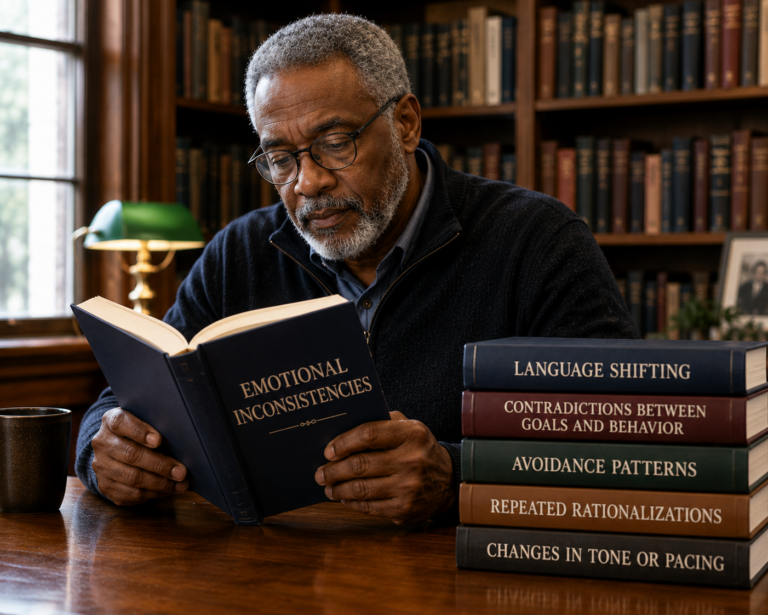
For example, even after learning how to be a coach experienced coaches frequently study:
Those observations create far more accurate coaching conversations than generic motivation ever could.
A strong coach does not rush toward sounding intelligent. A strong coach studies emotional structure carefully before speaking.
Silence often becomes part of the process. Timing matters. Question framing matters. Emotional pacing matters. Pressure regulation matters. Many powerful coaching moments emerge quietly rather than dramatically.
Learning how to be a coach involves developing psychological observation skills that allow you to notice patterns without immediately controlling, fixing, rescuing, or judging another person.
Many people believe authenticity means saying whatever comes to mind without filtering thoughts or emotions. Real authenticity usually operates very differently.
Authenticity requires awareness before expression. Without awareness, another person may simply witness emotional impulsiveness, insecurity, unprocessed frustration, attention seeking, or identity performance disguised as honesty.
Self awareness creates the foundation for authenticity because self awareness helps you recognize the difference between who you actually are and who you unconsciously perform in order to gain approval, admiration, safety, control, or belonging.
That distinction matters more than most people realize.
A person may appear highly confident publicly while privately feeling emotionally dependent on validation. Another may present themselves as endlessly positive while quietly suppressing resentment, exhaustion, fear, or insecurity beneath the surface. Another may adopt intellectual language, motivational phrases, or exaggerated certainty because uncertainty feels emotionally dangerous.
Without self awareness, those patterns usually continue automatically for years.
Authenticity begins when you start observing yourself honestly instead of protecting a carefully constructed identity.
That process often feels uncomfortable because self awareness exposes contradiction. You may notice how differently you behave around authority figures compared to close friends. You may recognize how fear changes your tone, posture, communication style, or emotional openness. You may discover how strongly approval influences decisions that previously felt independent.
Those observations do not represent failure. Those observations represent increasing psychological clarity.
Many emotionally intelligent individuals eventually recognize that authenticity does not mean expressing every emotion immediately. Authenticity means your external behavior aligns more honestly with your internal reality. Mature authenticity includes emotional regulation, awareness, restraint, and honesty operating together rather than emotional impulsiveness operating alone.
For example, imagine somebody criticizing your work publicly. An emotionally reactive response may feel honest in the moment because anger appears genuine. Yet deeper self awareness may reveal something more important happening underneath the anger. Embarrassment, insecurity, rejection sensitivity, or fear of inadequacy may actually drive the emotional intensity.
Once awareness expands, communication usually changes.
Instead of defending identity automatically, you begin observing emotional reactions with greater precision. Curiosity replaces some emotional impulsiveness. Reflection begins interrupting automatic behavior. Emotional reactions lose some control because awareness creates psychological distance between feeling an emotion and immediately acting upon that emotion.
Authenticity also changes relationships dramatically.
Many individuals spend years adapting personality, opinions, emotional expression, humor, goals, or communication styles depending on the environment or social group around them. Some adaptation feels socially healthy and normal. Excessive adaptation eventually creates emotional exhaustion because maintaining performance requires constant psychological management.
Self aware authenticity reduces that internal tension.
Conversations become less performative. Emotional energy becomes less scattered. Decisions become more aligned with personal values rather than emotional approval seeking. Boundaries become clearer because identity no longer depends entirely on external acceptance.
Authenticity also increases trust. Trust is imperative for how to be a coach.
Most people instinctively recognize emotional congruence. Congruence occurs when tone, body language, emotional energy, communication style, and behavior align naturally instead of appearing psychologically manufactured. Congruent individuals usually feel calmer, clearer, and emotionally safer to others because less manipulation and identity performance enter the interaction.
Developing authenticity requires ongoing observation because identity performance often returns under stress, fear, insecurity, or emotional pressure.
That process never fully ends. Learning how to be a coach in an ongoing endeavor.
Yet over time, self awareness allows you to communicate, lead, connect, and live with greater psychological honesty. Authenticity stops feeling like performance and starts feeling like emotional alignment between who you are privately and who you become publicly.

Many psychologically healthy coaches also learned how to be a coach through painful self-confrontation over many years.
Awareness rarely feels comfortable initially because awareness exposes contradiction. You may discover approval seeking beneath helping behavior. You may discover insecurity beneath over preparation. You may discover control tendencies beneath leadership language.
That process does not mean you should quit coaching. That process means emotional growth has started.
Growth usually accelerates when reflection becomes structured rather than emotional. Journaling after conversations helps identify recurring emotional reactions and conversational habits. Mentorship also helps because experienced observers can often identify blind spots invisible to yourself.
Therapy, emotional intelligence training, conflict resolution education, leadership development, mindfulness practices, and communication coaching can all strengthen emotional regulation and observational accuracy significantly and help teach you how to be a coach.
One powerful self-assessment habit involves reviewing difficult conversations afterward and asking:
Questions like these gradually strengthen psychological awareness and conversational discipline.
Conclusion
How to be a coach requires much more than information, passion, confidence, or motivational ability. Coaching places another person inside your emotional atmosphere repeatedly. Your maturity, triggers, biases, insecurities, communication habits, and emotional regulation patterns eventually shape every coaching relationship you build.
Strong coaching rarely comes from performance. Strong coaching usually emerges from awareness, emotional honesty, restraint, observational skill, maturity, humility, and psychological stability.
Many individuals enter coaching hoping to improve another person’s life or situation. Experienced coaches eventually recognize that coaching also exposes hidden areas within themselves that still require growth, healing, discipline, or awareness.
That realization does not weaken coaching ability but can strengthen your coaching profoundly.
Can insecurity damage coaching relationships?
Yes. Unresolved insecurity often appears through defensiveness, rescuing behavior, approval seeking, emotional dependency, excessive reassurance, or subtle control patterns.
Why do emotional triggers matter in coaching?
Emotional triggers affect listening quality, patience, emotional regulation, objectivity, and conversational safety. Triggered coaches often react emotionally instead of observing accurately.
Does coaching require emotional maturity?
Yes. Coaching regularly involves emotional pressure, resistance, vulnerability, conflict, and uncertainty. Emotional maturity helps you remain stable, thoughtful, and psychologically grounded during difficult conversations.
Why do some coaches create trust quickly?
Trust usually develops when another person feels emotionally safe, understood, respected, observed accurately, and free from manipulation or ego pressure.
Can coaching expose hidden psychological weaknesses?
Yes. Coaching relationships often magnify insecurity, control tendencies, emotional reactivity, approval seeking, and communication weaknesses that previously remained unnoticed.
If you truly want to learn how to be a coach, spend as much time studying your psychology as studying coaching strategy. Your emotional patterns, communication habits, triggers, insecurities, and maturity will quietly shape every conversation you lead.
The strongest coaches usually remain teachable long after success arrives. Self-observation, emotional honesty, and psychological discipline often separate trusted coaches from performative ones.